Motor vehicles have become an essential part of modern life, providing convenience, mobility, and accessibility for individuals, families, and businesses. Whether used for daily commuting, commercial operations, or long-distance travel, vehicles require regular care and professional attention to remain safe, efficient, and dependable. This is where motor vehicle services play a crucial role. Professional motor vehicle services help maintain vehicle performance, extend lifespan, improve safety, and reduce the likelihood of costly breakdowns. From routine maintenance to advanced diagnostics and repairs, these services are a vital investment for every vehicle owner.
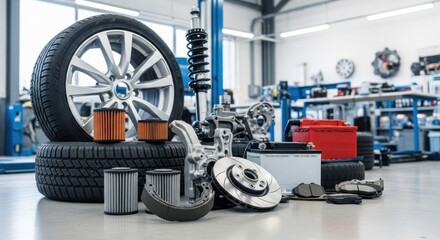
Many drivers underestimate the importance of preventative maintenance until they encounter mechanical issues that disrupt their schedules and strain their budgets. However, vehicles are complex machines made up of thousands of interconnected components that must function properly together. Over time, normal wear and tear can affect various systems, including the engine, brakes, suspension, transmission, tires, and electrical components. Professional motor vehicle services are designed to identify and address these issues before they develop into serious problems, helping vehicle owners avoid unexpected repairs and maintain optimal performance.
Understanding the Importance of Motor Vehicle Services
Motor vehicle services encompass a wide range of maintenance and repair procedures that keep vehicles operating safely and efficiently. These services are performed by trained technicians who possess the knowledge, equipment, and experience necessary to diagnose issues accurately and implement effective solutions. Their expertise helps ensure that every component of a vehicle functions according to manufacturer recommendations and industry standards.
Routine servicing is particularly important because many vehicle problems develop gradually. Minor issues such as worn brake pads, dirty filters, low fluid levels, or aging belts may seem insignificant initially, but they can eventually lead to larger mechanical failures if left unaddressed. Professional inspections and maintenance schedules help detect these concerns early, allowing repairs to be completed before more extensive damage occurs.
In addition to preventing breakdowns, regular motor vehicle services contribute to better fuel efficiency, smoother operation, and enhanced driving comfort. Well-maintained vehicles often perform more reliably and retain their value longer than vehicles that receive inconsistent care.
Common Types of Motor Vehicle Services
Professional automotive service providers offer a broad range of maintenance and repair solutions tailored to different vehicle types and operating conditions. These services are designed to support every aspect of vehicle health and performance.
Some of the most common motor vehicle services include:
- Oil changes and fluid replacements.
- Brake inspections and repairs.
- Tire rotation, balancing, and alignment.
- Battery testing and replacement.
- Engine diagnostics and performance checks.
- Suspension and steering system maintenance.
Each of these services contributes to the overall functionality of a vehicle. Regular attention to these critical systems helps reduce wear, improve efficiency, and enhance safety on the road.
The Benefits of Preventative Vehicle Maintenance
Preventative maintenance is one of the most effective ways to protect a vehicle investment. Rather than waiting for problems to occur, preventative services focus on maintaining components before they fail. This proactive approach helps minimize downtime and reduces the risk of costly emergency repairs.
One of the primary advantages of preventative maintenance is improved reliability. Drivers who follow recommended service schedules are less likely to experience unexpected mechanical issues that could leave them stranded or disrupt important travel plans. Routine inspections also provide technicians with opportunities to identify developing concerns and recommend corrective actions before major damage occurs.
Another significant benefit is cost savings. While some vehicle owners may view regular servicing as an unnecessary expense, preventative maintenance often costs far less than major repairs. Replacing worn components early can prevent damage to other systems and help avoid extensive repair bills later. Consistent maintenance also helps maximize fuel economy, which can lead to long-term savings at the fuel pump.
How Motor Vehicle Services Improve Safety
Safety is one of the most important reasons to invest in professional motor vehicle services. A vehicle that is not properly maintained may pose risks to both occupants and other road users. Critical safety systems such as brakes, tires, steering components, and lighting equipment require regular inspections to ensure they function correctly.
Professional technicians evaluate these systems during routine service appointments and can identify issues that may compromise vehicle safety. For example, worn brake components may reduce stopping power, while misaligned wheels can negatively affect handling and tire wear. Addressing these concerns promptly helps maintain vehicle control and reduces the likelihood of accidents.
Key safety-related services often include:
- Brake system inspections and repairs.
- Tire condition and pressure assessments.
- Steering and suspension evaluations.
- Lighting and electrical system checks.
- Windshield wiper and visibility inspections.
These services help ensure that vehicles remain safe and roadworthy throughout their lifespan.
The Role of Modern Technology in Vehicle Servicing
Advancements in automotive technology have transformed the way motor vehicle services are performed. Modern vehicles contain sophisticated electronic systems, onboard computers, sensors, and diagnostic modules that require specialized equipment and expertise to evaluate accurately.
Professional service providers use advanced diagnostic tools to identify issues quickly and precisely. These tools can detect problems within engine management systems, emissions controls, transmission components, and various electronic features. By pinpointing faults efficiently, technicians can perform targeted repairs that save both time and money.
Technology has also improved maintenance planning. Many vehicles now include monitoring systems that track service intervals and alert drivers when maintenance is required. This helps vehicle owners stay proactive about servicing and reduces the risk of neglected maintenance affecting performance.
Choosing the Right Motor Vehicle Service Provider
Selecting a qualified service provider is an important part of maintaining vehicle reliability and performance. Not all service facilities offer the same level of expertise, equipment, or customer care. Choosing a reputable provider can significantly impact the quality of maintenance and repairs received.
Vehicle owners should consider several factors when evaluating service providers. Experience, technician training, diagnostic capabilities, transparency, and customer communication all contribute to a positive service experience. A trustworthy provider will take the time to explain recommended services, answer questions, and provide clear information about vehicle conditions.
Regularly working with a professional service provider also helps establish a maintenance history that can be valuable when planning future repairs or selling the vehicle. Consistent service records demonstrate responsible ownership and can increase buyer confidence.
The Long-Term Value of Professional Motor Vehicle Services
Regular motor vehicle services provide benefits that extend far beyond immediate repairs. Proper maintenance helps preserve vehicle performance, improve safety, reduce operating costs, and extend the lifespan of critical components. Vehicles that receive consistent professional care often experience fewer breakdowns, maintain better fuel efficiency, and retain higher resale values.
In today’s fast-paced world, dependable transportation is more important than ever. Investing in professional motor vehicle services helps ensure that vehicles remain ready for daily demands while minimizing the stress and expense associated with unexpected mechanical failures.
Conclusion
Motor vehicle services are an essential part of responsible vehicle ownership. From routine maintenance and preventative inspections to advanced diagnostics and repairs, these services help keep vehicles safe, reliable, and efficient. Regular servicing not only protects a valuable investment but also contributes to better performance, lower operating costs, and greater peace of mind.
By prioritizing professional motor vehicle services and following recommended maintenance schedules, vehicle owners can maximize the lifespan of their vehicles, reduce repair expenses, and enjoy dependable transportation for years to come. Whether addressing minor maintenance needs or complex mechanical issues, professional automotive care remains one of the most important factors in long-term vehicle reliability and safety.