Pest control is the systematic management and regulation of organisms that interfere with human environments, health, comfort, or property. These organisms—commonly referred to as pests—include insects, rodents, and other unwanted wildlife that can invade homes, buildings, and outdoor spaces. While many pests are part of natural ecosystems, their presence inside human-occupied areas creates risks ranging from minor nuisance to significant structural damage and health concerns.
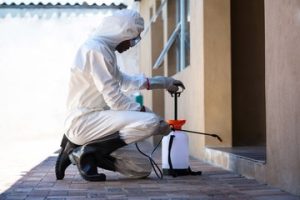
Modern Ben’s Pest Control is not simply about eliminating visible pests. It is a structured process that combines inspection, identification, prevention, and targeted treatment strategies. The goal is not only to remove existing infestations but also to reduce the likelihood of future occurrences. This makes pest control both a reactive and preventive discipline, grounded in an understanding of pest behavior, environmental conditions, and biological life cycles.
To understand how pest control works, it is important to break it down into its core principles and methods. These methods are designed to address pests at different stages of their life cycle while also correcting the conditions that allow infestations to develop in the first place.
Understanding the Purpose of Pest Control
The primary purpose of pest control is to maintain a safe, hygienic, and structurally sound environment. Pests can contaminate food, spread bacteria, trigger allergies, and damage building materials. In some cases, infestations can escalate quickly if not addressed properly, making early intervention essential.
Pest control is also about balance. Not all insects or animals are harmful, and modern approaches aim to target only those species that pose a risk to humans or property. This selective approach helps minimize unnecessary environmental disruption while still achieving effective results.
Key purposes of pest control include:
- Protecting human health from pest-borne diseases and allergens.
- Preventing structural damage to buildings and infrastructure.
- Maintaining hygiene in living and working spaces.
- Reducing food contamination risks.
- Managing pest populations in a controlled and sustainable way.
These objectives guide all pest control strategies, whether they are preventive or corrective.
How Pest Control Works: The Core Process
Pest control typically follows a structured process that begins with assessment and ends with monitoring. Each step is designed to build on the previous one, ensuring that the root cause of the infestation is addressed rather than just the visible symptoms.
The general process includes:
- Inspection of the affected area.
- Identification of pest species and infestation level.
- Assessment of environmental and structural conditions.
- Selection of appropriate treatment methods.
- Application of control measures.
- Follow-up monitoring and prevention.
This systematic approach ensures that pest problems are handled thoroughly and efficiently.
Step 1: Inspection and Detection
The first stage of pest control is inspection. This involves a detailed examination of the property to identify signs of pest activity. Since many pests are hidden or active during specific times, professionals often look for indirect indicators rather than relying solely on visible sightings.
Inspection focuses on areas where pests are most likely to live, breed, or enter structures.
Common inspection points include:
- Kitchens and food storage areas.
- Basements, attics, and crawl spaces.
- Wall voids and hidden structural gaps.
- Moisture-prone areas such as bathrooms and drains.
- Exterior entry points around doors, windows, and foundations.
During inspection, evidence such as droppings, nests, damage, and unusual odors is carefully evaluated.
Step 2: Identification of Pest Species
Accurate identification is essential because different pests require different control strategies. A method that works for insects may not be effective for rodents, and vice versa. Understanding the specific species helps determine behavior patterns, breeding cycles, and preferred habitats.
Identification also helps assess the severity of the infestation and the potential risks involved.
Key identification factors include:
- Physical appearance and size of the pest.
- Type of damage observed.
- Location of activity within the structure.
- Timing of activity (day or night).
- Signs such as tracks, droppings, or nesting material.
Correct identification ensures that treatment is both targeted and effective.
Step 3: Assessment of Infestation Conditions
Once pests are identified, the next step is to evaluate the conditions that allowed the infestation to develop. Pests do not appear randomly; they are attracted to specific environmental factors that support their survival.
This assessment helps determine whether the issue is isolated or part of a broader environmental problem.
Common contributing factors include:
- Availability of food sources or organic waste.
- Excess moisture or water leaks.
- Structural openings or unsealed entry points.
- Cluttered or undisturbed storage areas.
- Poor ventilation or humidity control.
Addressing these conditions is critical for long-term pest control success.
Step 4: Selecting the Right Treatment Method
Pest control is not a one-size-fits-all solution. The treatment method depends on the type of pest, severity of infestation, and environment involved. Modern pest control often uses an integrated approach that combines multiple techniques for better results.
Treatment options generally fall into several categories:
- Chemical treatments using targeted pesticides.
- Mechanical methods such as traps or barriers.
- Biological controls that use natural predators.
- Physical removal techniques for localized infestations.
- Environmental modifications to eliminate attractants.
The goal is to choose the least disruptive but most effective method for the situation.
Step 5: Application of Pest Control Measures
Once a treatment plan is selected, it is applied in a controlled and strategic manner. This step requires precision to ensure that pests are targeted effectively while minimizing exposure to humans, pets, and non-target organisms.
Application methods vary depending on the pest type and treatment chosen.
Examples of application approaches include:
- Direct application of sprays or baits in affected areas.
- Placement of traps in high-activity zones.
- Sealing of entry points to prevent re-entry.
- Dust or gel treatments in hidden nesting areas.
- Environmental adjustments such as moisture control.
Proper application is essential for achieving effective pest elimination.
Step 6: Monitoring and Follow-Up
Pest control does not end after treatment. Monitoring is a critical part of ensuring that the infestation has been fully resolved and does not return. Many pests have complex life cycles, and follow-up inspections help confirm that all stages have been addressed.
Monitoring also helps detect early signs of reinfestation.
Follow-up activities may include:
- Regular inspection of previously affected areas.
- Checking traps or monitoring stations.
- Reapplication of treatment if necessary.
- Continued assessment of environmental conditions.
- Preventive maintenance to reduce future risk.
This ongoing process is key to long-term pest control success.
Types of Pest Control Methods
Pest control uses different methods depending on the situation. Modern strategies often combine multiple approaches to achieve more comprehensive results.
The main categories include:
- Chemical pest control using pesticides and insecticides.
- Biological pest control using natural predators or organisms.
- Physical pest control such as barriers and traps.
- Cultural or environmental control through habitat modification.
- Integrated pest management combining all relevant methods.
Each method has specific strengths and is chosen based on the nature of the infestation.
The Role of Prevention in Pest Control
While pest control is often associated with treatment, prevention plays an equally important role. Preventive strategies reduce the likelihood of infestations and support long-term control efforts.
Prevention focuses on eliminating conditions that attract pests in the first place.
Key preventive measures include:
- Sealing cracks and entry points in structures.
- Proper food storage and waste management.
- Reducing moisture and fixing leaks.
- Maintaining clean and organized spaces.
- Routine inspections and monitoring.
Prevention is often more cost-effective than repeated treatments.
Why Pest Control Requires Expertise
Although some minor pest issues can be managed independently, more significant infestations often require professional knowledge. This is because pests can hide in difficult-to-access areas and may require specialized treatment methods.
Expert pest control ensures:
- Accurate identification of pest species.
- Safe and effective application of treatments.
- Proper handling of chemicals and equipment.
- Long-term prevention strategies.
- Reduced risk of reinfestation.
Professional approaches are typically more comprehensive and reliable.
Conclusion
Pest control is a structured and methodical process designed to manage unwanted organisms in human environments. It involves more than simply eliminating visible pests; it requires inspection, identification, environmental assessment, targeted treatment, and ongoing monitoring.
By understanding how pest control works, it becomes clear that effective management depends on both immediate action and long-term prevention. Each step in the process plays a critical role in ensuring that infestations are not only resolved but also prevented from returning.
When applied correctly, pest control protects health, preserves property, and maintains safe and comfortable living conditions. It is a continuous process that combines science, strategy, and prevention to create lasting results.